




-

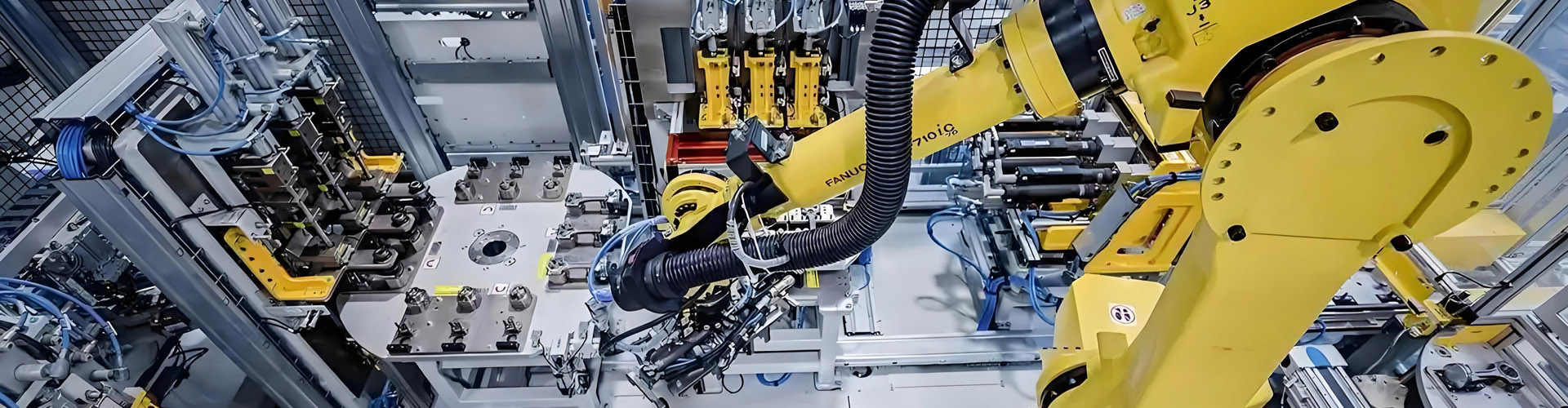
Automated and semi-automated assembly lines for electric vehicle powertrains
-
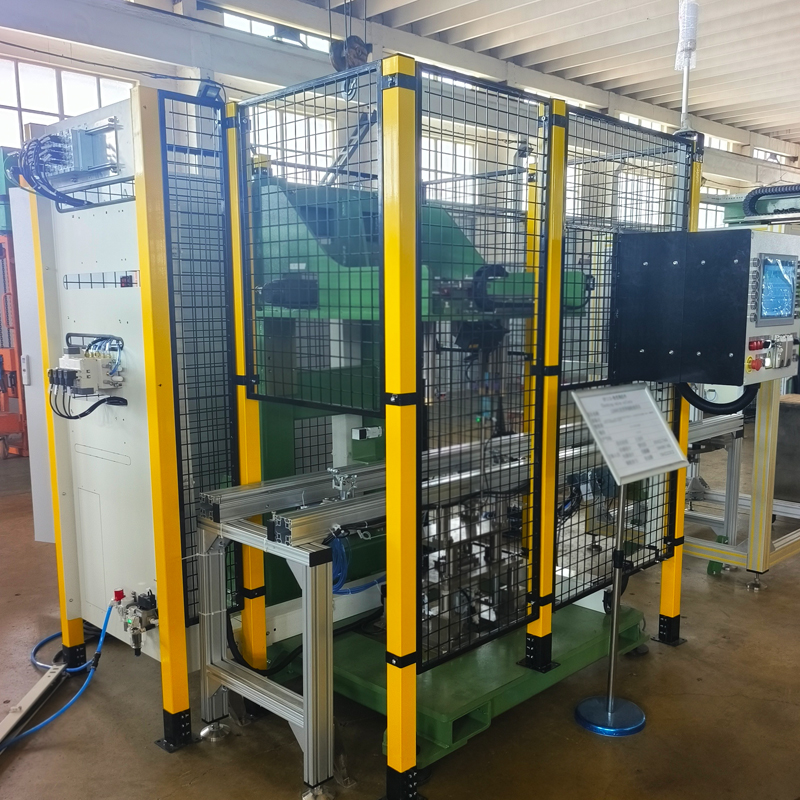
Automated and semi-automated transmission assembly lines
-
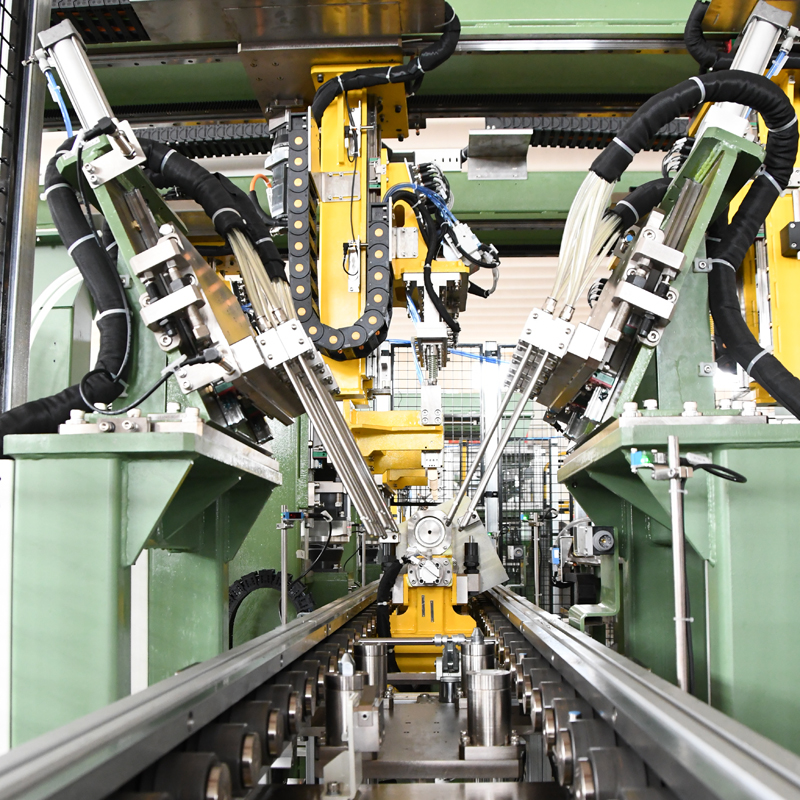
Automated and semi-automated engine assembly lines
-

EOL Test benches for internal combustion engines (ICE)
-

EOL Test benches for electric motors
-
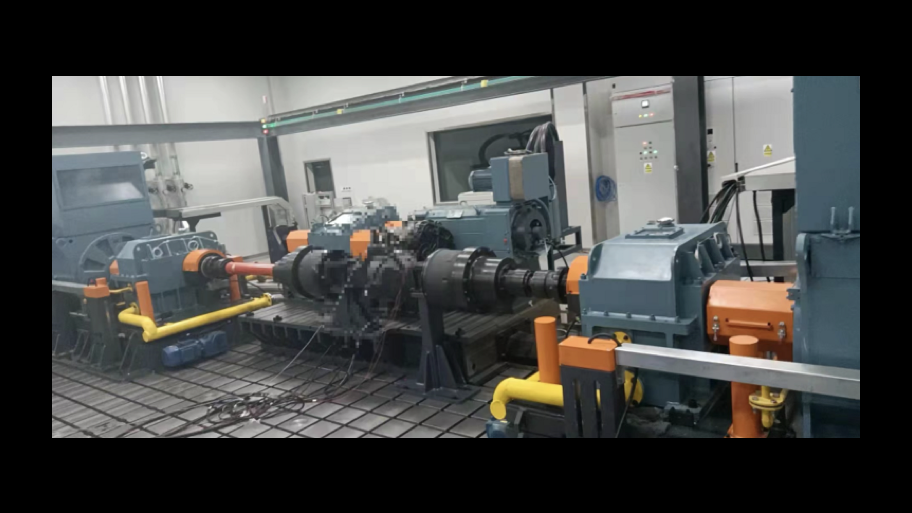
EOL Test benches for gearboxes and transmissions
Automated and semi-automated engine assembly lines
Automatic and semi-automatic engine assembly lines are a high-tech complex that includes parts feeding and positioning systems, robotic manipulators, automatic assembly stations, controllers (PLC), as well as quality and safety control systems.
Overview
Overview
Automatic and semi-automatic engine assembly lines represent a high-tech complex that includes part feeding and positioning systems, robotic manipulators, automatic assembly stations, programmable logic controllers (PLCs), as well as quality control and safety systems. The line operates on a flow assembly principle, ensuring precise, fast, and stable assembly of powertrain components. Integration with a Manufacturing Execution System (MES) enables real-time tracking of the production process.
Purpose
The primary purpose of the equipment is to automate the assembly process of internal combustion engines at automotive industry production plants. The automotive engine assembly line includes machines, conveyors, auxiliary tools, and racks. It performs a range of functions, such as monitoring the assembly process, controlling pressure and torque. Configurations and automation levels are customized according to the client’s needs. Depending on the assembly processes and customer requirements, the assembly line is equipped with various devices, racks, and error-proofing systems (Poka-yoke) to perform different functions.
Improving productivity and reducing assembly time
Minimizing the impact of human factors
Maintaining stable product quality
Tracking and recording each assembly stage
Key features
Modular structure: Allows adaptation of the line to different engine types and assembly configurations.
High-precision mechanics: Ensures part installation accuracy within tolerances specified by technical requirements.
Integration with PLCs and HMIs: Enables flexible parameter adjustment, control, and visualization of operations.
Automatic diagnostic system: Detects faults and deviations during the assembly process.
Compliance with industrial standards: Ensures adherence to quality requirements.
Optimized ergonomics and safety: Includes light and sound indicators, protective barriers, and emergency stop systems.
Contact Us
Products
Automated and semi-automated assembly lines for electric vehicle powertrains
Automatic and semi-automatic assembly lines for electric vehicle powertrains are a new generation production system that includes key assembly stages: electric motors, batteries and electronic control units.
Automated and semi-automated transmission assembly lines
Automated and semi‑automated transmission assembly lines integrate position sensors, robotic grippers, conveyors, high‑precision metrology/calibration systems, PLCs, and quality‑safety monitoring in one production complex.
Automated and semi-automated engine assembly lines
Automatic and semi-automatic engine assembly lines are a high-tech complex that includes parts feeding and positioning systems, robotic manipulators, automatic assembly stations, controllers (PLC), as well as quality and safety control systems.
EOL Test benches for internal combustion engines (ICE)
Automated stands for the final inspection of assembled internal combustion engines on the production line. Provide fast and accurate control of all key parameters.
EOL Test benches for electric motors
High-precision stands for testing electric motors and integrated power modules (electric motor + gearbox + inverter). Control of electrical and mechanical parameters.
EOL Test benches for gearboxes and transmissions
Compact stands for control of assembled gearboxes and transmissions. Checking tightness, mechanical clearances and assembly quality.